
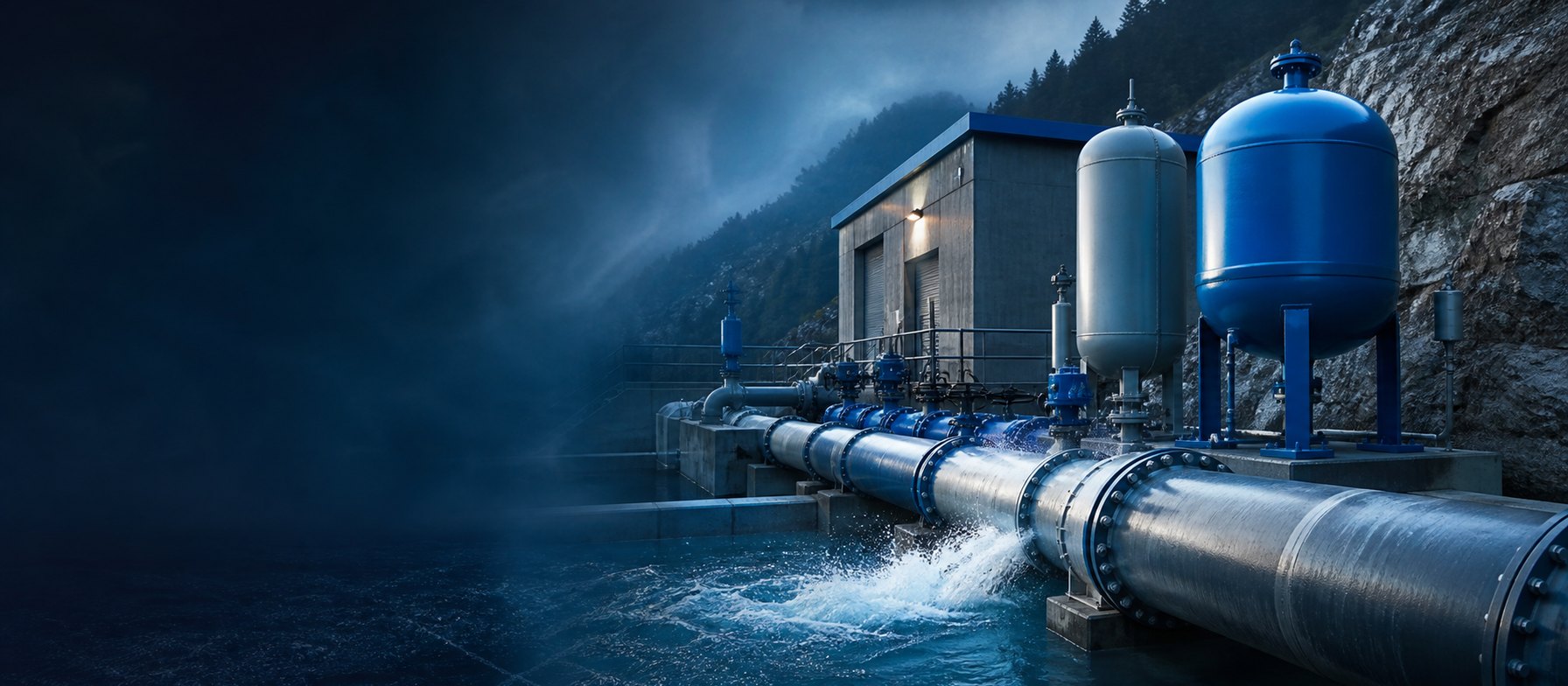
Air Valves & Air-Cushion Valves
Large-orifice, small-orifice and combination air valves for surge dampening, vacuum prevention and flow efficiency.
Essential for Surge Control & Flow Efficiency
Air valves are a critical component for surge dampening and suppression in pressurized liquid conveyance systems. Proper selection, sizing, and placement of air valves is essential to ensure efficient flow and effective pressure control.
Role in Pipeline Systems
- Controls entrapped air during operation
- Prevents vacuum conditions during pipeline drainage or failure
- Minimizes pressure surges and water hammer effects
- Enhances overall system efficiency and reliability
Air valves are widely recognized as one of the most efficient and cost-effective solutions for air control in pipeline systems.
Types of Air Valves
- Large Orifice Air Valve
- (Kinetic Air Valve / Air-Vacuum Valve)
- Releases large volumes of air during pipeline filling
- Admits large quantities of air during drainage or pipe rupture
- Closes automatically when the pipeline is filled with liquid
- Reopens only when internal pressure drops below atmospheric
- Small Orifice Air Valve
(Automatic Air Valve / Air Release Valve)
- Releases small pockets of entrapped air continuously
- Operates under pressurized conditions
- Maintains system efficiency by preventing air accumulation
- Double Orifice (Combination) Air Valve
- Combines functions of both large and small orifice valves
- Handles both bulk air release/admission and continuous air release
- Provides comprehensive air management in pipeline systems
Design & Application Considerations
Effective performance depends on:
- Accurate valve sizing and selection
- Strategic location along the pipeline profile
- Understanding of transient conditions and surge behavior
Properly designed air valve systems ensure maximum flow efficiency and reliable surge protection.
Key Advantages
- Most cost-effective solution for air control
- Prevents vacuum and air locking conditions
- Improves hydraulic efficiency
- Essential for surge protection strategy
- Reliable and automatic operation
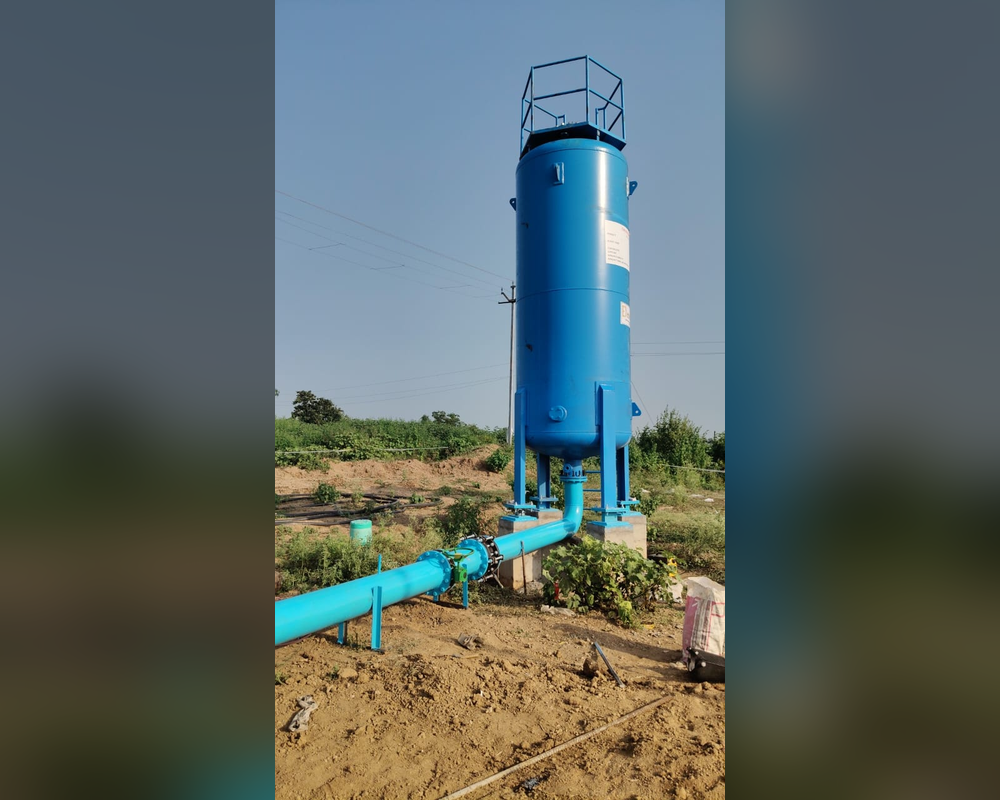
Surge Analysis Services
Accurate hydraulic & transient analysis to predict surge pressures and design the right protection before problems occur.
View more →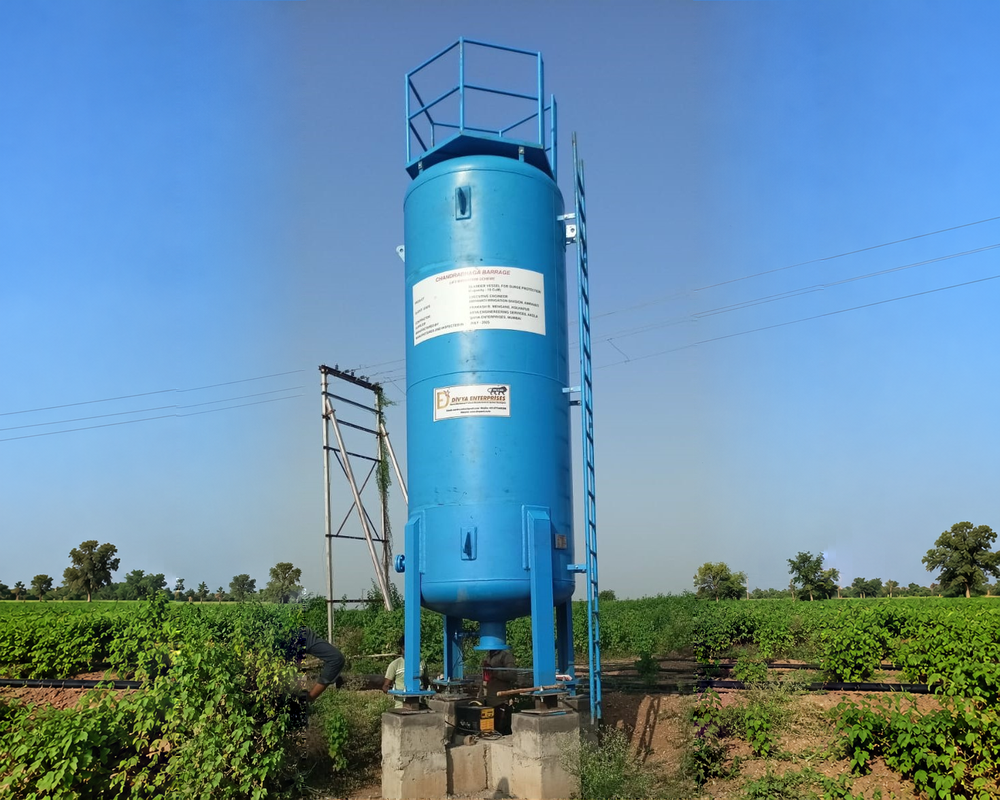
Bladder Vessel
India’s first bladder vessel for sewage-pumping surge protection — no compressors, no instrument piping, effective against positive and negative surge.
View more →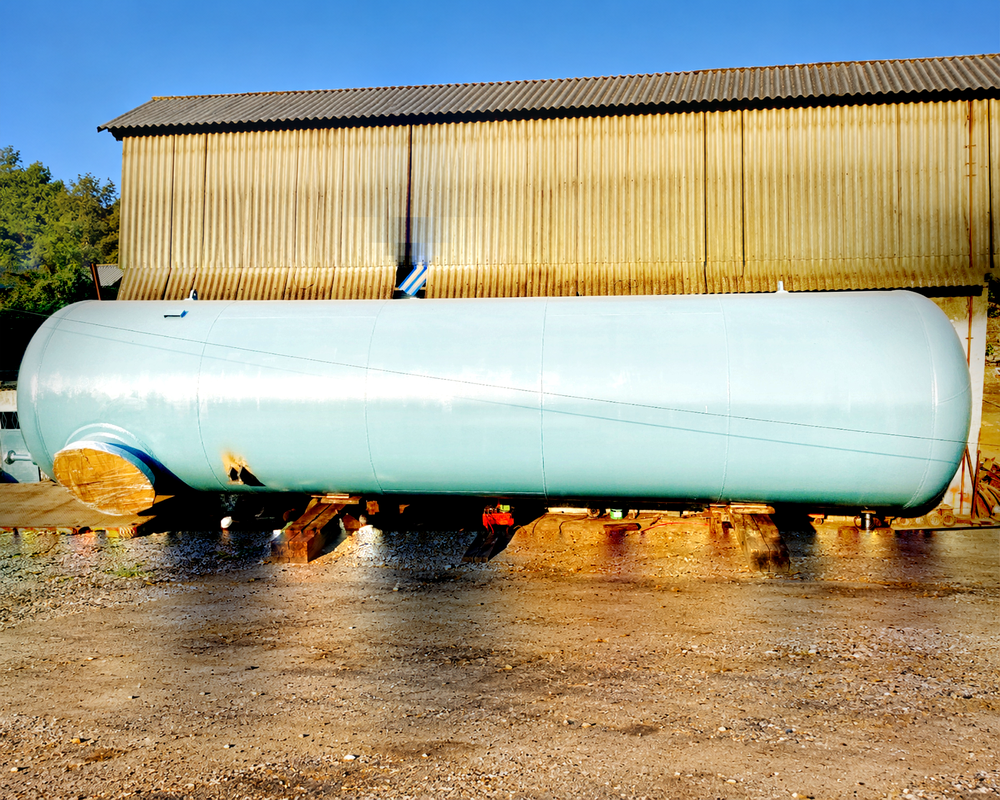
Compressor-Type Surge Tanks
Proven air-vessel technology for surge control on large, complex cross-country and lift-irrigation pipelines.
View more →