
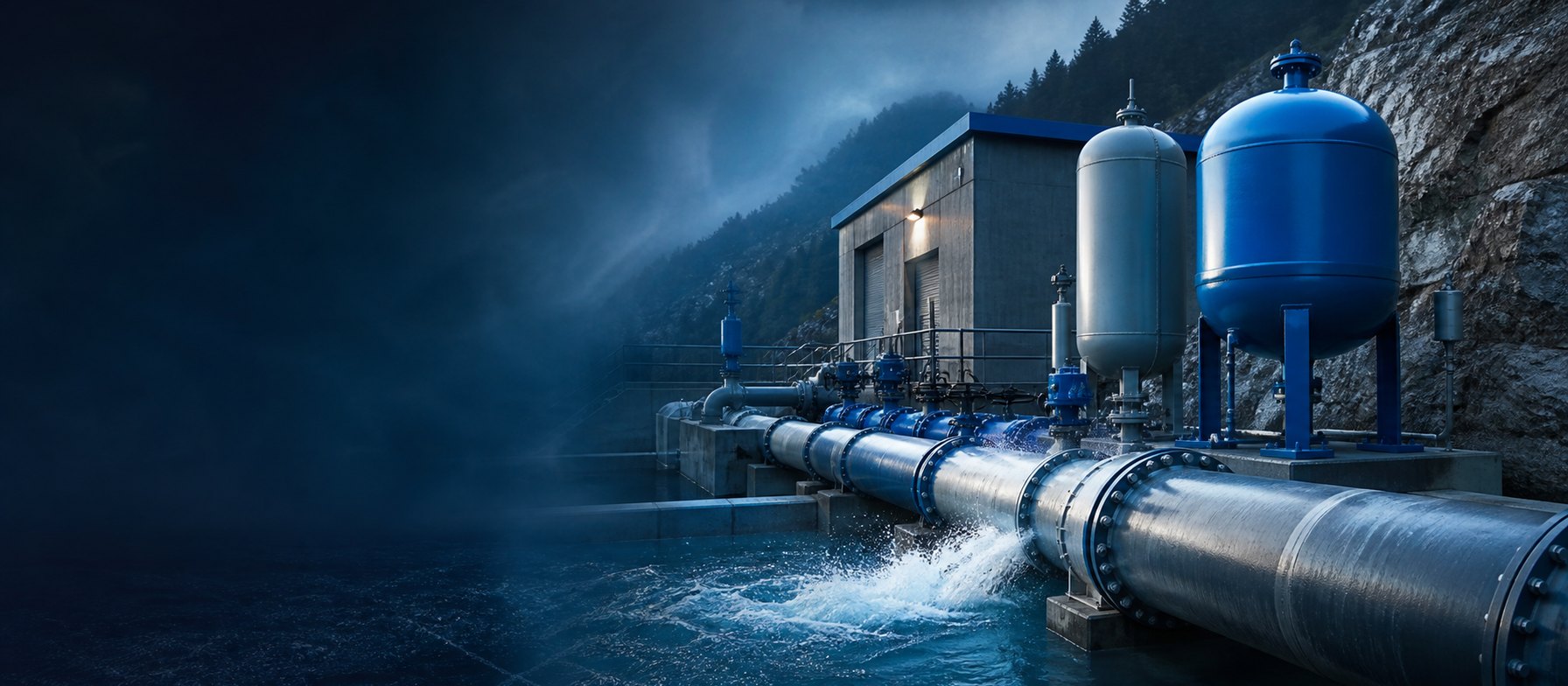
Zero Velocity Valve
Spring-loaded valve that arrests the water column at zero velocity to stop reverse flow and water hammer on pump trip.
Effective Surge Protection for Pumping Pipelines
Zero Velocity Valve is a surge protection device used in cross-country water supply and irrigation pipelines. It consists of a spring-loaded closing disc enclosed in an outer shell, designed to stop reverse flow in case of pump failure.
Working Principle
- A well-designed dome is located behind the disc to streamline flow during normal operation
- The disc is mounted on a central shaft and supported by guide rods
- Springs are designed such that the valve remains fully open at ~25% of design velocity
- During pump shutdown, the disc starts closing with reduction in velocity
- The valve fully closes when velocity approaches zero
Thus, the upstream water column is arrested at zero velocity before any reverse flow is established, preventing water hammer.
Bypass & Pressure Control
- Valve is provided with one or multiple bypass arrangements
- Maintains pressure balance across the disc
- Prevents vacuum formation on downstream side
- Bypass area is generally not less than 10% of nominal bore area
Design & Construction Features
- Outer shell with internally fixed dome creating a streamlined annular passage
- Spring-loaded central closing disc with guide support
- Available in barrel type or flanged end connections
- Designed for automatic operation without external power
Objectives of Zero Velocity Valve
- To arrest forward moving water column at zero velocity
- To prevent reverse flow in pipeline during pump failure
- To eliminate water hammer effect
- To maintain pressure balance across the valve
- To avoid vacuum formation in downstream pipeline
Key Advantages
- Controlled closing characteristics
- Low head loss due to streamlined design
- No external power or control system required
- Reliable and fully mechanical operation
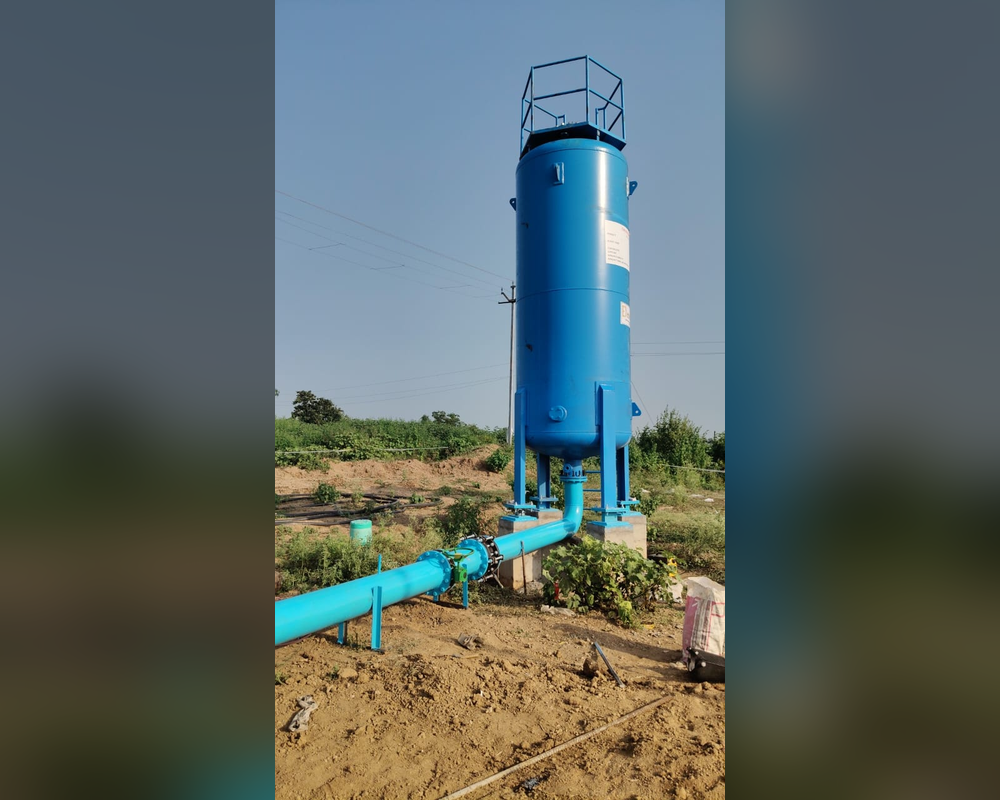
Surge Analysis Services
Accurate hydraulic & transient analysis to predict surge pressures and design the right protection before problems occur.
View more →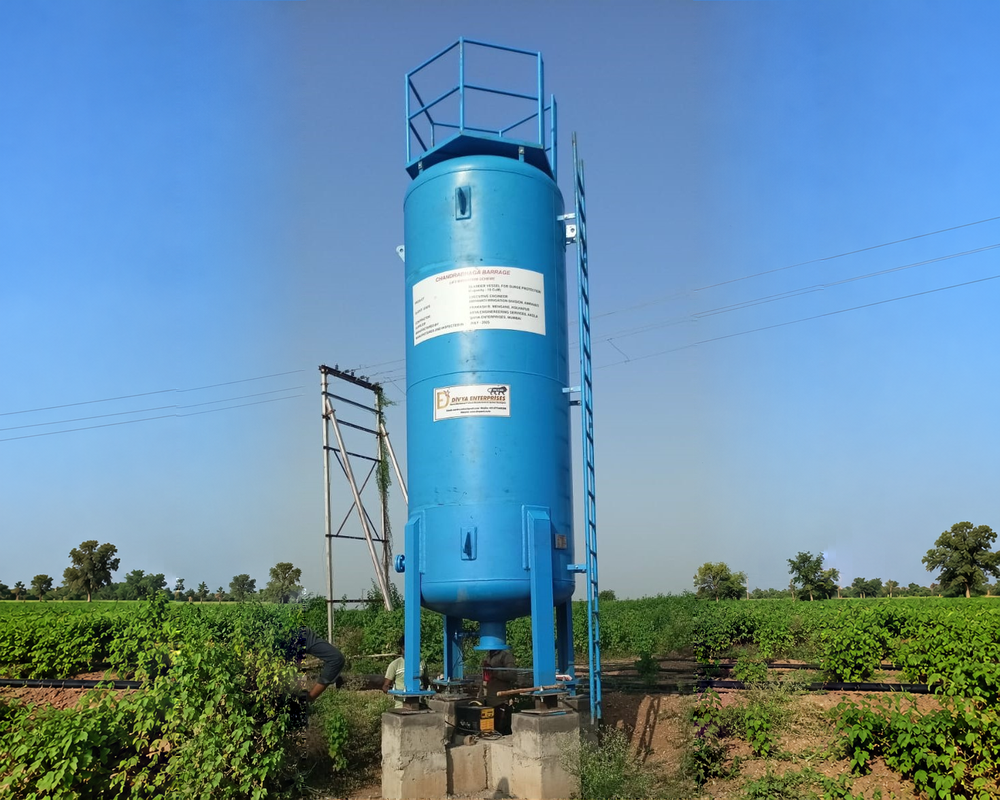
Bladder Vessel
India’s first bladder vessel for sewage-pumping surge protection — no compressors, no instrument piping, effective against positive and negative surge.
View more →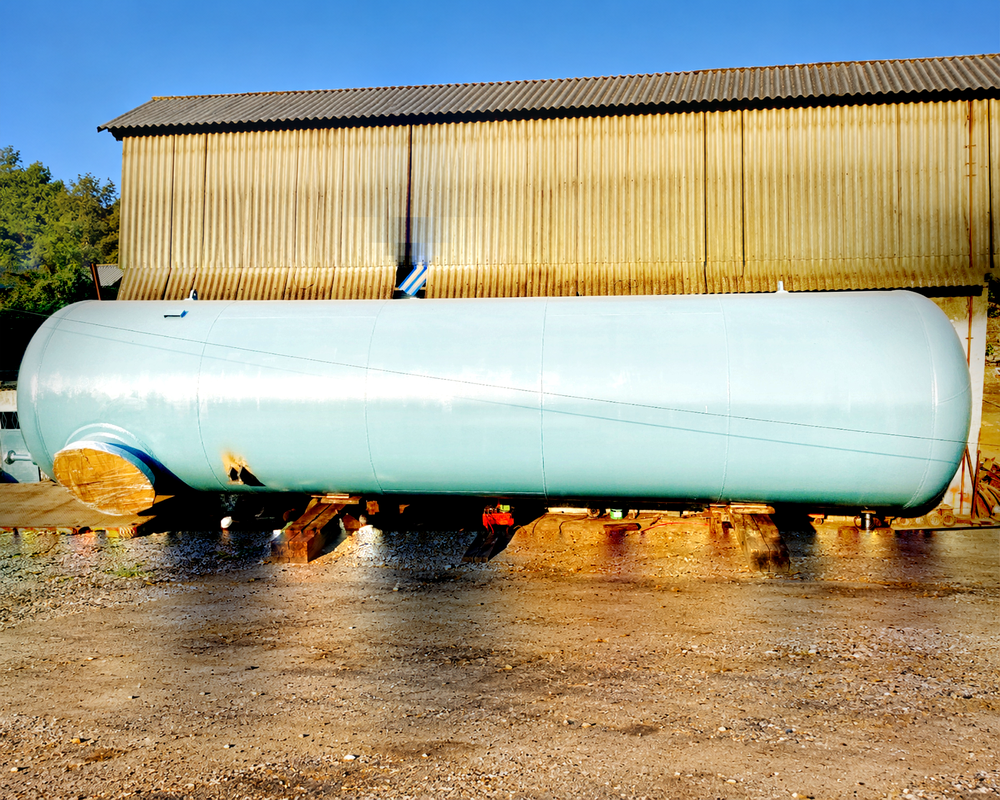
Compressor-Type Surge Tanks
Proven air-vessel technology for surge control on large, complex cross-country and lift-irrigation pipelines.
View more →